



Struggling to manage leads, follow-ups, and sales tasks with a small team? AI sales assistants for SaaS startups can help.
These AI-powered tools automate repetitive sales tasks. They help startups find potential customers, qualify leads, personalize outreach, update CRM records, and schedule product demos. They use artificial intelligence (AI), natural language processing (NLP), and workflow automation to make sales processes faster and more consistent.
In 2026, AI sales assistants are also evolving into AI sales agents that can handle multi-step workflows with human oversight. They help SaaS teams identify promising prospects, respond to customer questions, and manage sales pipelines with less manual effort.
But which features matter most? How do you choose the right tool, and how can you measure its impact? This guide covers the key benefits, use cases, popular tools, implementation steps, and best practices for SaaS startups.
What is an AI Sales Assistant?
An AI sales assistant is an AI-powered tool that automates sales tasks. It helps SaaS startups find leads, qualify prospects, personalize outreach, and manage CRM data. It can also answer customer questions, schedule demos, and automate follow-ups.
By reducing manual work, AI sales assistants help sales teams save time, improve lead conversion, and manage the sales pipeline more efficiently.
How Does an AI Sales Assistant Work?
An AI sales assistant collects sales data, understands customer needs, and automates sales tasks. It uses AI, natural language processing (NLP), and CRM integrations to streamline the sales process.
Here’s how it works:
- Collects data: Gathers lead details, CRM records, and customer interactions.
- Analyzes prospects: Identifies customer needs and evaluates lead quality.
- Recommends actions: Suggests relevant emails, follow-ups, and next steps.
- Automates tasks: Updates CRM records, schedules demos, and sends approved messages.
- Tracks performance: Tracks lead conversions, meetings, and sales activity.
Accurate data and clear workflows help AI sales assistants deliver better results for SaaS startups.
Benefits of AI Sales Assistants for SaaS Startups
AI sales assistants help SaaS startups automate sales tasks, improve lead management, and increase team productivity. Key benefits include:
- Time Savings: Automates CRM updates, scheduling, and follow-ups.
- Lead Scoring: Identifies high-potential leads using customer data and engagement.
- Personalized Outreach: Creates relevant emails, LinkedIn messages, and follow-ups.
- Faster Sales Cycles: Moves qualified leads through the sales pipeline faster.
- Scalable Sales Operations: Manages more leads with less manual work.
- Call Summaries and Coaching: Summarizes sales calls and highlights customer objections.
- Better Meeting Attendance: Sends reminders and schedules meetings across time zones.
These benefits depend on the quality of your sales data, workflow setup, and AI tools. Startups should track response times, conversion rates, and sales costs to track actual results.
Important Features to Look for in an AI Sales Assistant
Not every startup needs an advanced AI agent. The right feature set depends on the sales model, team size, budget, and existing technology.
The following table provides a practical evaluation framework.
|
|
|
|
|
|
|
|
|
|
|
|
|
|
|
|
|
|
|
|
|
|
|
|
|
|
|
|
|
|
|
|
|
|
|
|
|
|
|
|
|
|
|
|
Before purchasing a platform, verify which features are included in the actual plan. Some vendors offer advanced integrations, autonomous actions, or detailed analytics only on specific plans.
Best Use Cases for AI Sales Assistants in SaaS Startups
AI sales assistants automate sales tasks and improve lead management. They help SaaS startups save time and increase sales efficiency.
1. Lead Qualification and Scoring
AI analyzes company details, website activity, and CRM data. It identifies qualified leads based on your ideal customer profile (ICP). This helps sales teams prioritize high-intent buyers.
2. Automated Sales Prospecting and Outreach
AI researches target accounts and drafts personalized emails. It can also create LinkedIn messages and follow-ups. This reduces manual work for sales development representatives (SDRs).
3. Real-Time Sales Call Assistance
AI transcribes sales calls and summarizes conversations. It identifies customer questions and objections. Some tools also provide live suggestions during sales calls and product demos.
4. Sales Proposals and Content Generation
AI creates sales proposals, follow-up emails, and product summaries. It can also prepare competitor comparisons. These materials address prospect needs and customer pain points.
5. CRM Automation and Pipeline Management
AI updates CRM records and logs meeting notes. It tracks follow-up tasks and summarizes deal progress. This reduces manual data entry and keeps sales pipeline information organized.
6. Sales Forecasting and Analytics
AI analyzes sales data, conversion rates, and deal progress. It identifies at-risk deals and estimates future revenue. Accurate forecasts depend on data quality.
AI sales assistants help SaaS startups reduce repetitive work. They also improve sales workflows and help teams focus on qualified leads.
AI Assistant vs. Traditional Chatbots
Traditional chatbots follow fixed rules, while AI assistants understand natural language, manage context, and perform more complex sales tasks.
|
|
|
|
|
|
|
|
|
|
|
|
|
|
|
|
|
|
|
|
|
|
|
|
Traditional chatbots handle simple, predictable queries. AI assistants support more complex tasks and conversations. Their capabilities depend on the tools, data, and permissions available to them.
How to track the ROI of an AI Sales Assistant
Evaluate AI sales software by its business results, not just the tasks it automates. More emails or leads do not always mean more revenue. Track the entire sales process to measure ROI and determine its value.
|
|
|
|
|
|
|
|
|
|
|
|
|
|
|
|
|
|
|
|
|
|
|
|
|
|
|
|
|
|
Track the Core ROI Formula
Use this formula to track the return on your AI investment:

Total AI Investment: Include subscription fees, integrations, training, change management, and usage costs.
Total Benefits: Measure new revenue, labor cost savings, and time saved through automation. Convert productivity gains into financial value where possible.
Conclusion
AI sales assistants for SaaS startups help automate prospecting, lead qualification, personalized outreach, CRM updates, and follow-ups. They reduce manual work and help sales teams focus on qualified leads and revenue growth.
In 2026, AI-powered sales tools and AI agents can manage multi-step workflows. However, data quality, customer privacy, and human oversight remain essential.
Choose a tool that fits your sales process, budget, and existing CRM. Start with one sales challenge, test the solution, and track key metrics such as conversion rates, productivity, and sales ROI. The right AI sales assistant can help your startup build a more efficient, scalable, and customer-focused sales process.
Frequently Asked Questions
Featured Reads
Latest Insights & Ideas
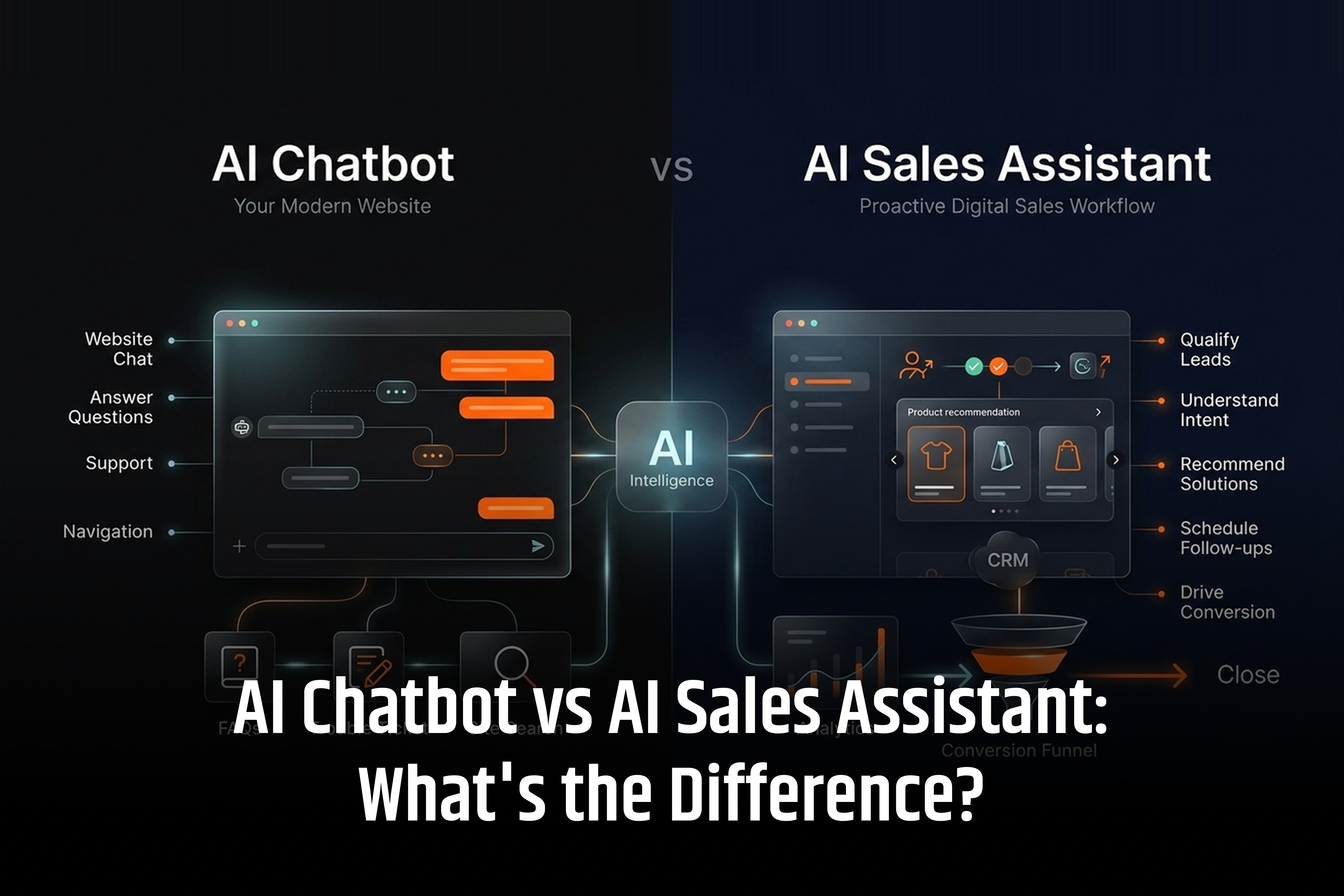
AI Sales Assistant
AI Chatbot vs AI Sales Assistant: What's the Difference?
What if your website could do more than answer customer questions? What if it could als...
Read More
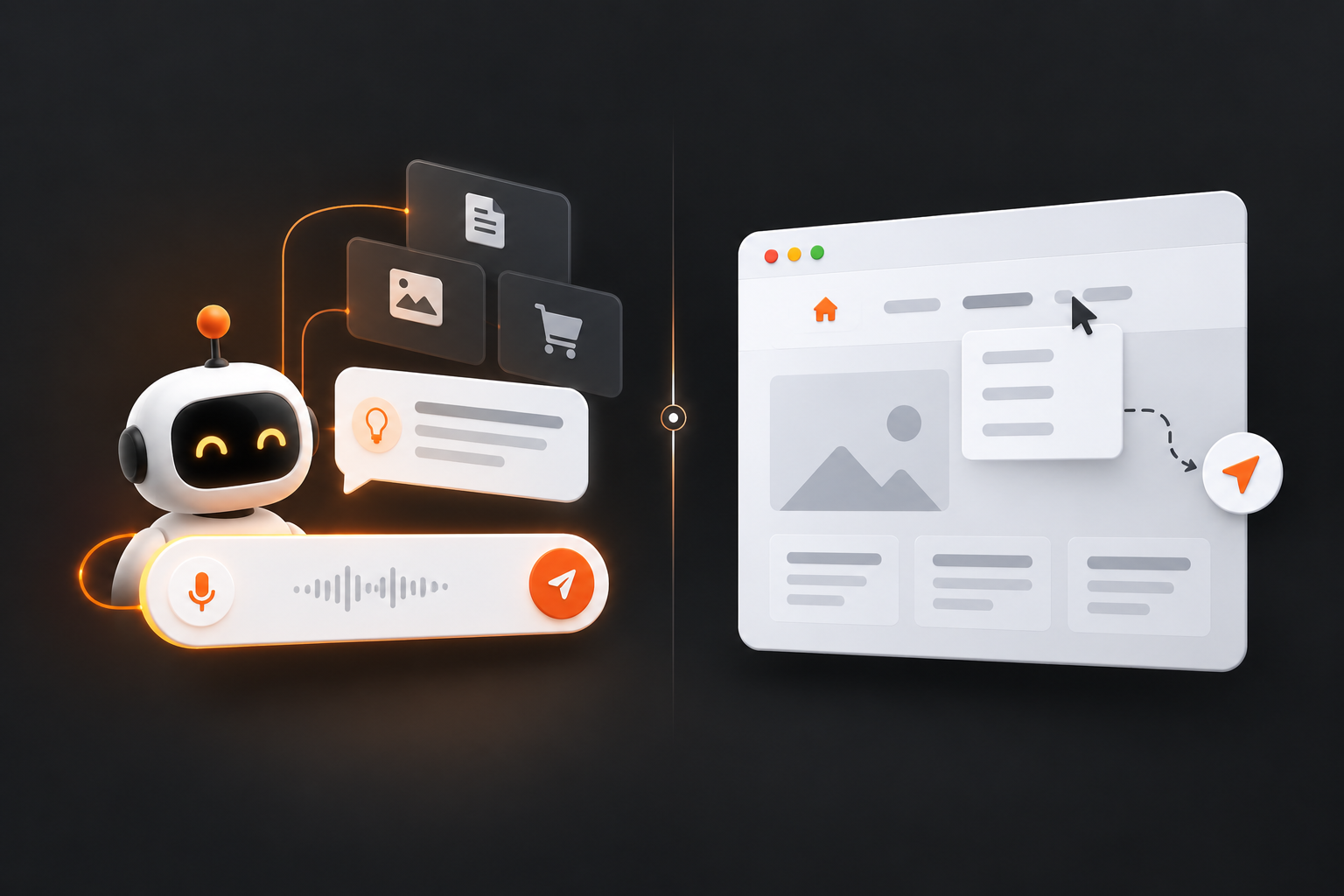
Website Monitoring
AI-Powered Search vs. Website Navigation: What Is the Difference?
AI-powered search helps users find answers quickly, while website navigation helps user...
Read More
SEO Intelligence
How AI Website Agents Can Help Improve SEO and User Experience
What if your website could improve SEO, guide visitors, answer questions, and capture l...
Read More